
The Modern Live Sponsorship Playbook
Live sponsorships work when brands move beyond logo visibility and design participatory moments that connect fans, content, data, and commerce.
By Staff
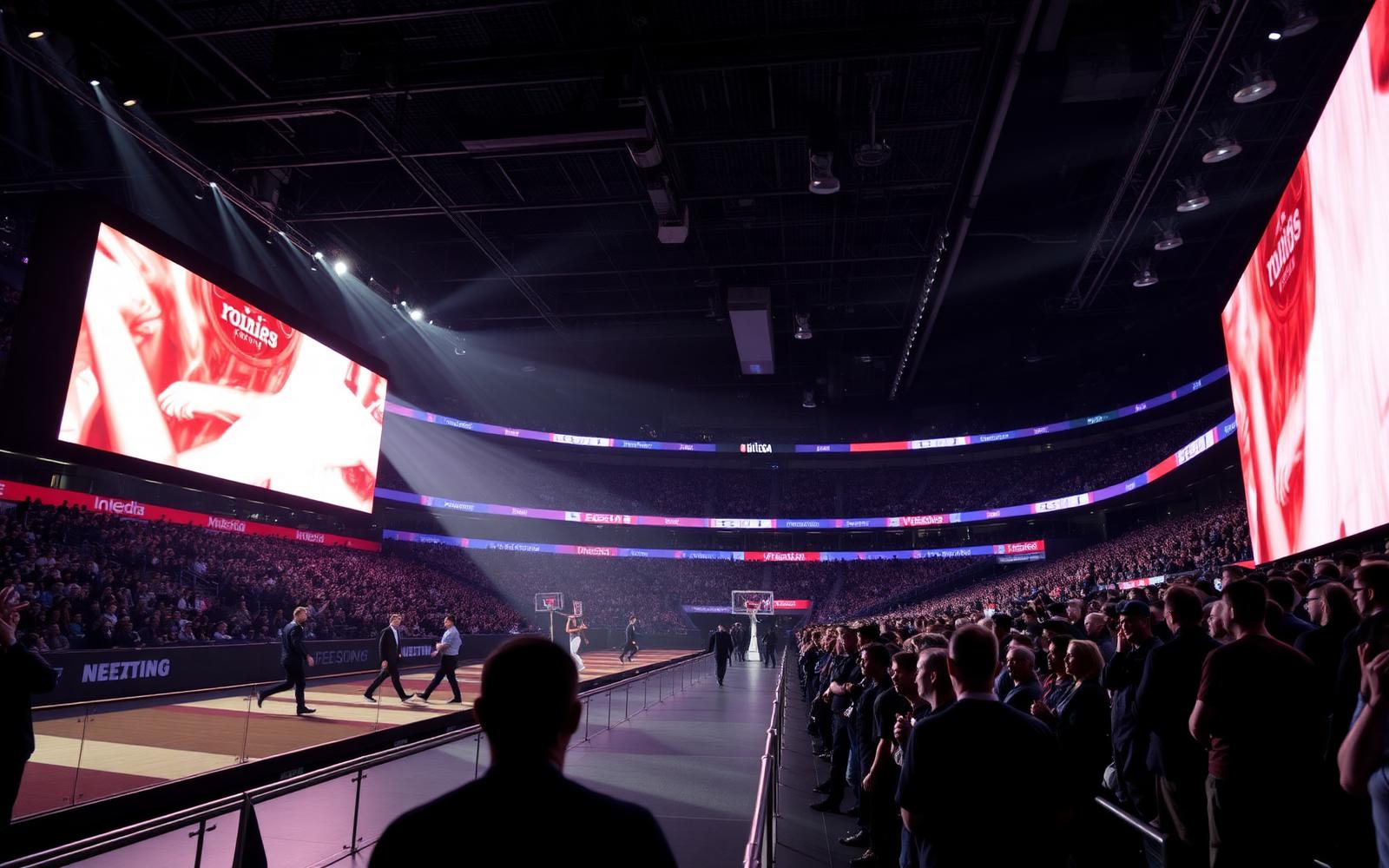
Sponsorship used to be measured by exposure. A logo on a board, a name on a step-and-repeat, a mention during a broadcast. Visibility still has value, but it is not enough to justify premium rights fees in a market where audiences expect interaction.
The modern sponsorship playbook begins with the fan journey. What does the fan feel before arrival, while waiting, during the peak moment, after the event, and when sharing the memory? The brand should add value at one of those moments instead of simply attaching itself to the property.
The strongest platforms create participation. A fan can unlock access, personalize a product, appear in content, compete, vote, collect, meet a creator, or receive a service that improves the event. The brand becomes part of the experience rather than a visual layer placed on top of it.
Content planning is essential. A live moment should be designed to travel through social clips, creator posts, recap films, press photography, and owned channels. If the sponsorship only works for attendees, it underuses the rights. The remote audience is often larger and more commercially valuable.
Data is another underdeveloped layer. With the right value exchange, a sponsorship can generate qualified leads, preference signals, product interest, and CRM growth. This requires clarity and consent, but it gives the brand a business case beyond awareness.
The partnership between brand and rights holder also needs a new operating model. Instead of negotiating assets and disappearing until execution, both sides should run a shared calendar of moments, content drops, measurement checkpoints, and optimization decisions.
The future of sponsorship belongs to brands that behave less like advertisers and more like experience partners. The question is not how large the logo can be. The question is what the audience can do because the brand is there.