Brand Worlds Are the New IP Strategy
The strongest brands are no longer only visual identities or campaigns. They are worlds with rules, characters, rituals, spaces, products, and stories people can enter.
By Staff
A brand used to be managed primarily as a system of recognition: logo, colors, typography, tone, and campaign idea. Those elements still matter, but they are no longer enough for audiences who expect to participate, remix, collect, play, and belong.
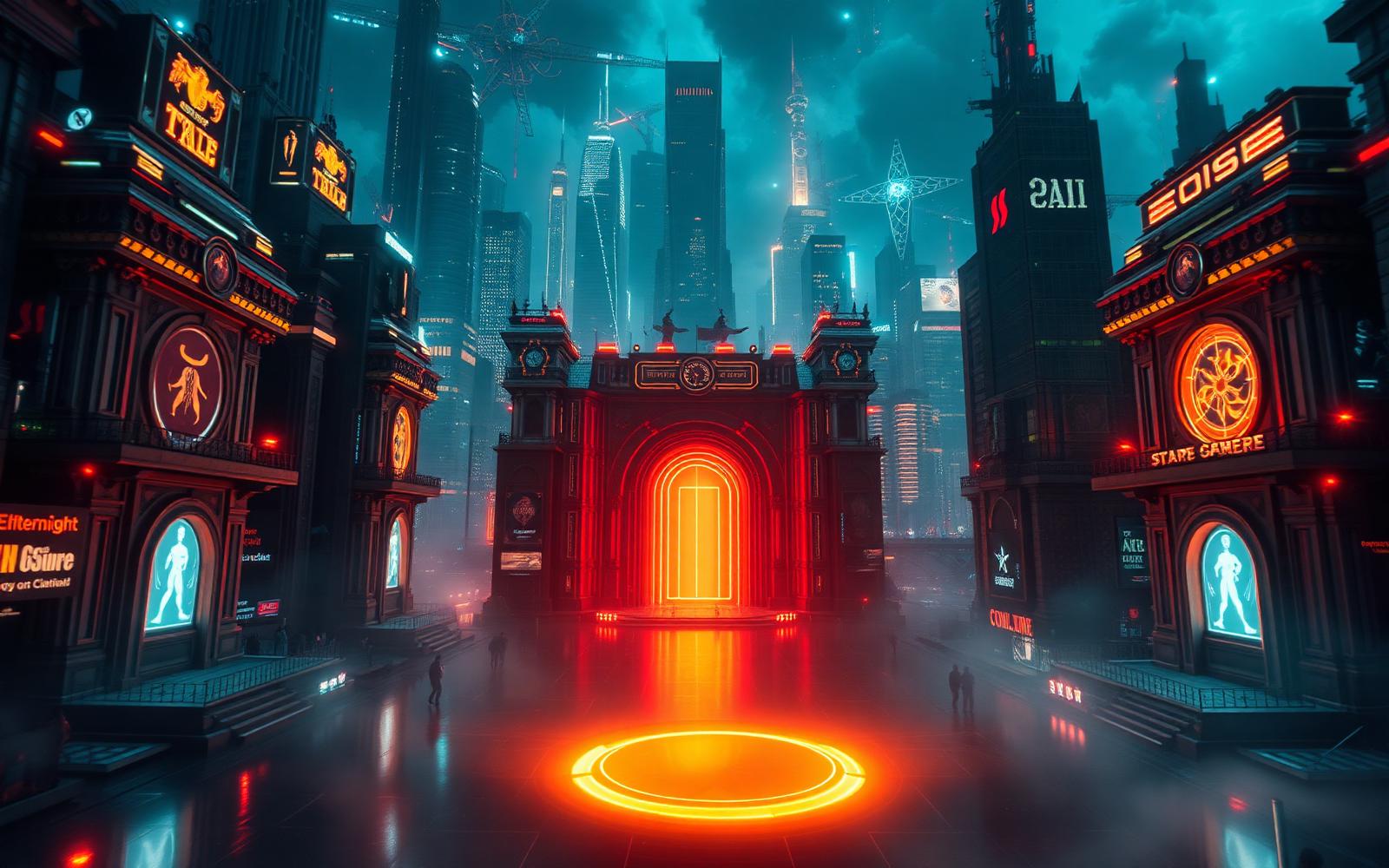
A brand world is a larger strategic asset. It defines the environment a brand occupies, the rituals it creates, the characters or archetypes it can use, the products that belong inside it, the stories it can tell, and the behaviors it invites from its audience.
This is why entertainment companies have historically been so powerful. They do not only sell content; they build universes. The same logic is now available to consumer brands, sports properties, hospitality groups, luxury houses, and technology companies willing to think beyond campaign cycles.
The first step is world logic. What is true inside the brand that is not true elsewhere? What values govern the space? What is the audience invited to become? A strong world gives people a role. It does not merely ask them to watch.
The second step is asset architecture. A world can produce products, events, digital environments, creator formats, retail spaces, memberships, collectibles, and long-form content. When these assets share the same world logic, each one strengthens the others.
Brand worlds also create better IP economics. Instead of paying repeatedly for attention, the company builds characters, formats, symbols, and experiences that can be reused, licensed, extended, and monetized. The brand becomes a platform for future ideas.
The shift is simple but profound: stop asking what the next campaign should say and start asking what world the brand is building. Campaigns end. Worlds compound.